Your 2026 Roof Maintenance Calendar for Greater Brisbane
Greater Brisbane roofs face intense sunshine, humid summers, heavy rain and damaging thunderstorms. A simple maintenance calendar helps you catch blocked drainage, loose components and small leaks before they cause expensive damage. Use this 2026 schedule for homes across Brisbane, Ipswich, Logan, Redlands and Moreton Bay, adjusting the timing for nearby trees, coastal exposure and your roof’s condition.
Plan two routine roof inspections each year, plus checks after severe weather. Make your own observations from ground level and leave roof access, repairs and difficult gutter cleaning to appropriately qualified, insured professionals.
January and February: Monitor Summer Storm Damage
Summer brings frequent thunderstorms and heavy downpours to South-East Queensland. After significant weather, check from a safe position for displaced tiles, loose metal sheets, sagging gutters and debris around downpipe outlets. Indoors, look for fresh ceiling stains, bubbling paint or damp patches.
Watch how gutters perform during rain from a sheltered, ground-level location. Overflow can indicate a blockage, inadequate drainage or a gutter alignment problem. Arrange an assessment rather than assuming cleaning alone will fix it.
Keep clear of fallen powerlines and visibly unstable roofing. Do not enter a roof space during a storm or investigate water near electrical fittings. Seek urgent professional assistance if these hazards appear.
March and April: Book Your Post-Summer Inspection
Autumn is a useful time to assess wear after summer storms. Ask a roofing professional to inspect flashings around chimneys, skylights, vents and roof junctions, along with valleys, gutters and downpipes.
For tiled roofs, checks should include cracked or slipped tiles and deteriorating ridge bedding or pointing. For metal roofs, checks should cover corrosion, loose fixings, deteriorated washers and damaged coatings. Repairs should suit the roofing material and manufacturer’s guidance; a coating or sealant is not a substitute for fixing the underlying defect.
May and June: Clear Debris and Check Drainage
Leaf fall varies across Brisbane’s tree species, so schedule gutter cleaning around actual debris buildup rather than the calendar alone. Homes beneath large trees may need more frequent attention.
Have leaves and sediment removed from gutters and valleys, and check that downpipes discharge freely into their intended drainage system. Gutter guards still require inspection and cleaning because fine debris can collect on or beneath them.

If your roof supplies a rainwater tank, maintain leaf screens and first-flush devices according to their instructions. Follow Queensland Health guidance where tank water is used for drinking.
July and August: Complete Planned Repairs
Brisbane’s generally drier winter conditions often provide a practical window for non-urgent roof repairs, although work still depends on suitable weather. Address known leaks, damaged flashing, cracked tiles and corrosion before spring storm preparation becomes urgent.
Ask your contractor whether the proposed work requires a Queensland Building and Construction Commission licence or building approval. Requirements depend on the work involved. Check relevant licence details and obtain a written scope describing materials, repairs and any warranty.
Older fibre-cement roofing may contain asbestos. Do not drill, sand, pressure-clean or disturb suspected asbestos roofing. Arrange specialist advice before maintenance or replacement.

September and October: Prepare for Storm Season
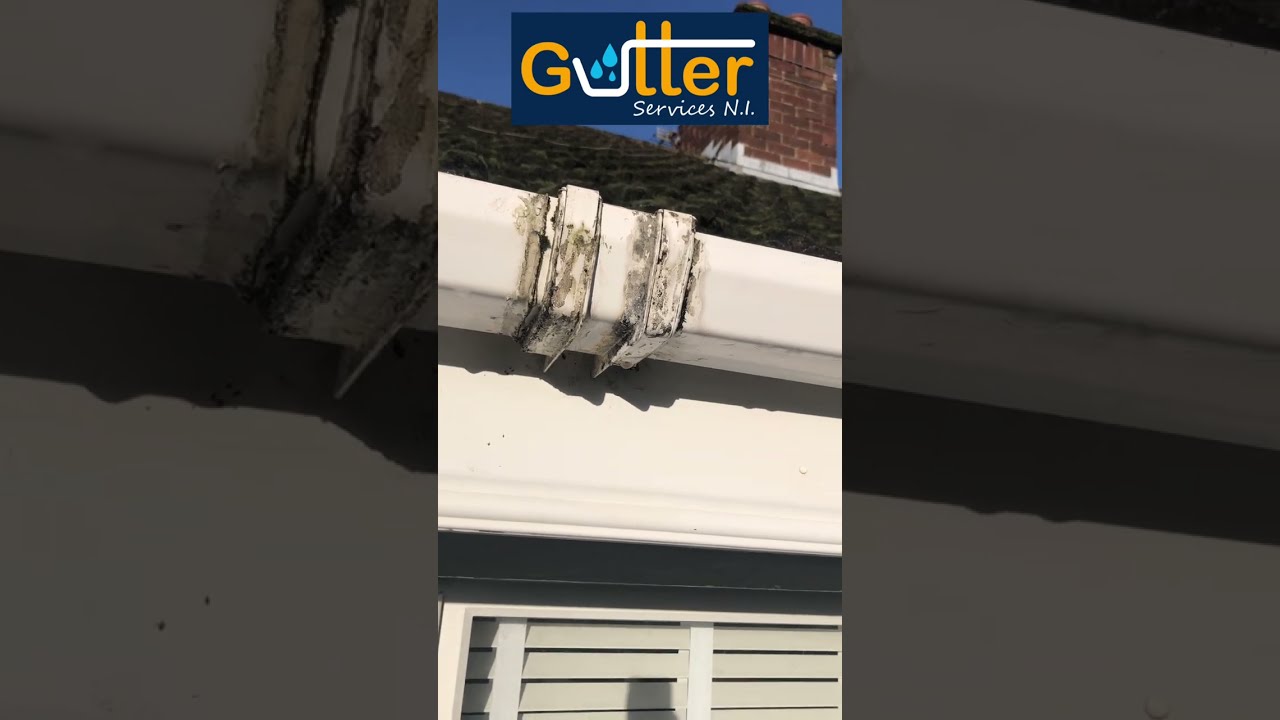
South-East Queensland’s severe thunderstorm season generally runs from October to April, making early spring a sensible preparation period. Organise gutter cleaning and any outstanding repairs before storms become more frequent.
- Arrange safe pruning of branches that overhang or rub against the roof, checking council requirements where applicable.
- Have loose roofing, flashings and gutter brackets assessed and repaired.
- Check that roof-mounted solar panels, antennas and associated penetrations show no obvious damage; use appropriately qualified trades for inspection and repairs.
- Photograph the roof from ground level and keep inspection reports, invoices and repair records.
- Review your home insurance cover, excesses and maintenance obligations.
Check Bureau of Meteorology warnings and local council disaster information during threatening weather. Roof maintenance reduces avoidable problems, but it cannot make a home storm-proof.
November and December: Keep Drainage Clear
Recheck gutters after windy weather, particularly where nearby trees shed leaves, flowers or bark. Look for overflowing gutters, new ceiling marks and water collecting near the house during rain.
Never climb onto a wet roof or attempt emergency repairs during a storm. If a leak develops, keep people away from affected electrical fittings and sagging ceilings. Contact your insurer or roofing professional when safe; for flood and storm emergency assistance in Queensland, contact the https://roofrestorationseq.com.au SES on 132 500. Call 000 for life-threatening emergencies.
Set Your Next Inspection Before 2027
Keep a simple maintenance record with inspection dates, photographs and completed repairs. Before the end of 2026, book your next routine check for 2027 and note any areas needing monitoring. Regular, targeted maintenance is more useful than waiting for a visible leak, especially in Greater Brisbane’s demanding climate.
SEQ Roof Restoration Experts
Unit 6/25 Lerna St, Woolloongabba QLD 4102
(07) 3132 3236